On the Job · 29 September 2026
Oil-Tanned, Saddle or Suede: Choosing Leather Work Gear
Oil-tanned leather handles damp days, saddle leather holds its shape, suede grips your tools. Here is how to pick one and keep it working.
Three leathers, three jobs
Leather work gear comes in more than one kind, and each behaves its own way on the job. Oil-tanned leather stays supple and handles damp days. Saddle leather is stiff and holds a molded shape.
Suede is light and grips the tools you drop into it. The McGuire-Nicholas leather line uses all three, plus the classic leather on the 429 carpenter apron.
Knowing which is which helps you in two ways, and neither one costs you anything. You match the piece to the work you do, and you care for it the right way, so the belt or pouch you buy this year still hangs straight years from now.
Oil-tanned: supple and ready for damp days
Pick oil-tanned leather when your belt and pouch go out in wet grass, morning dew or a damp basement. It flexes with you from the first day and keeps working when the air turns wet.
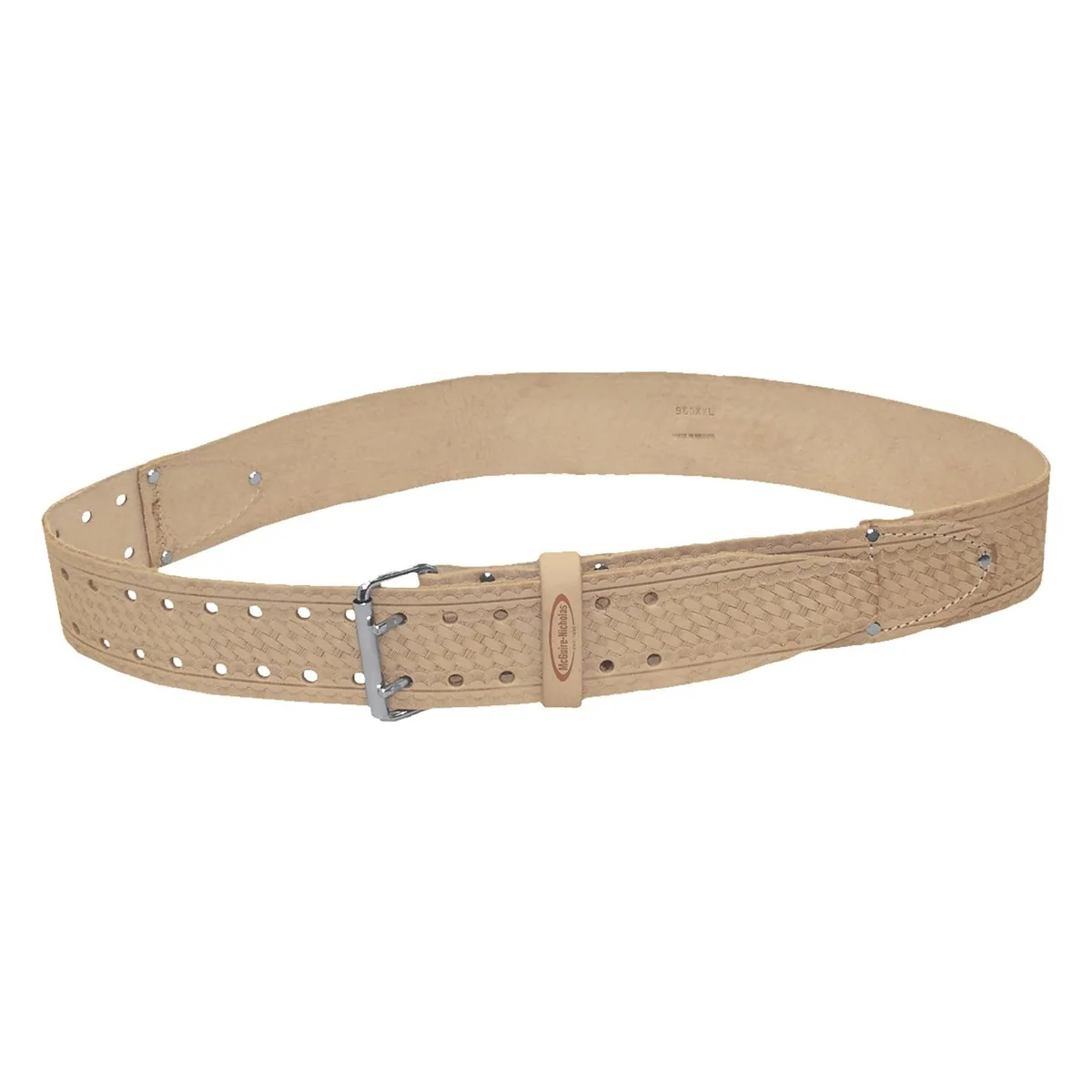
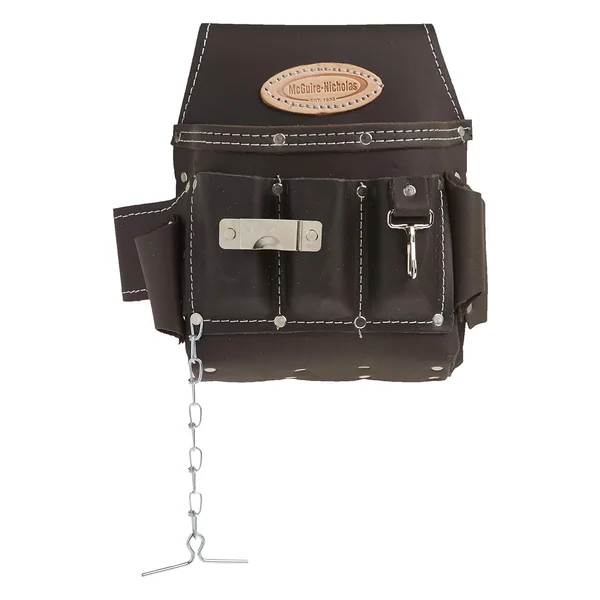
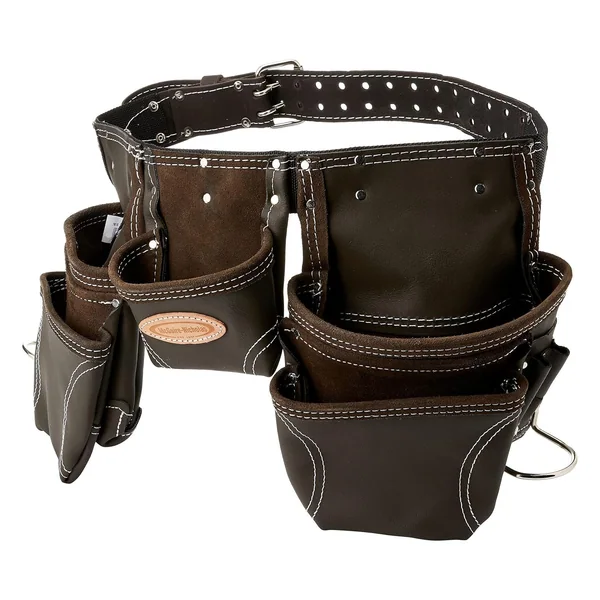
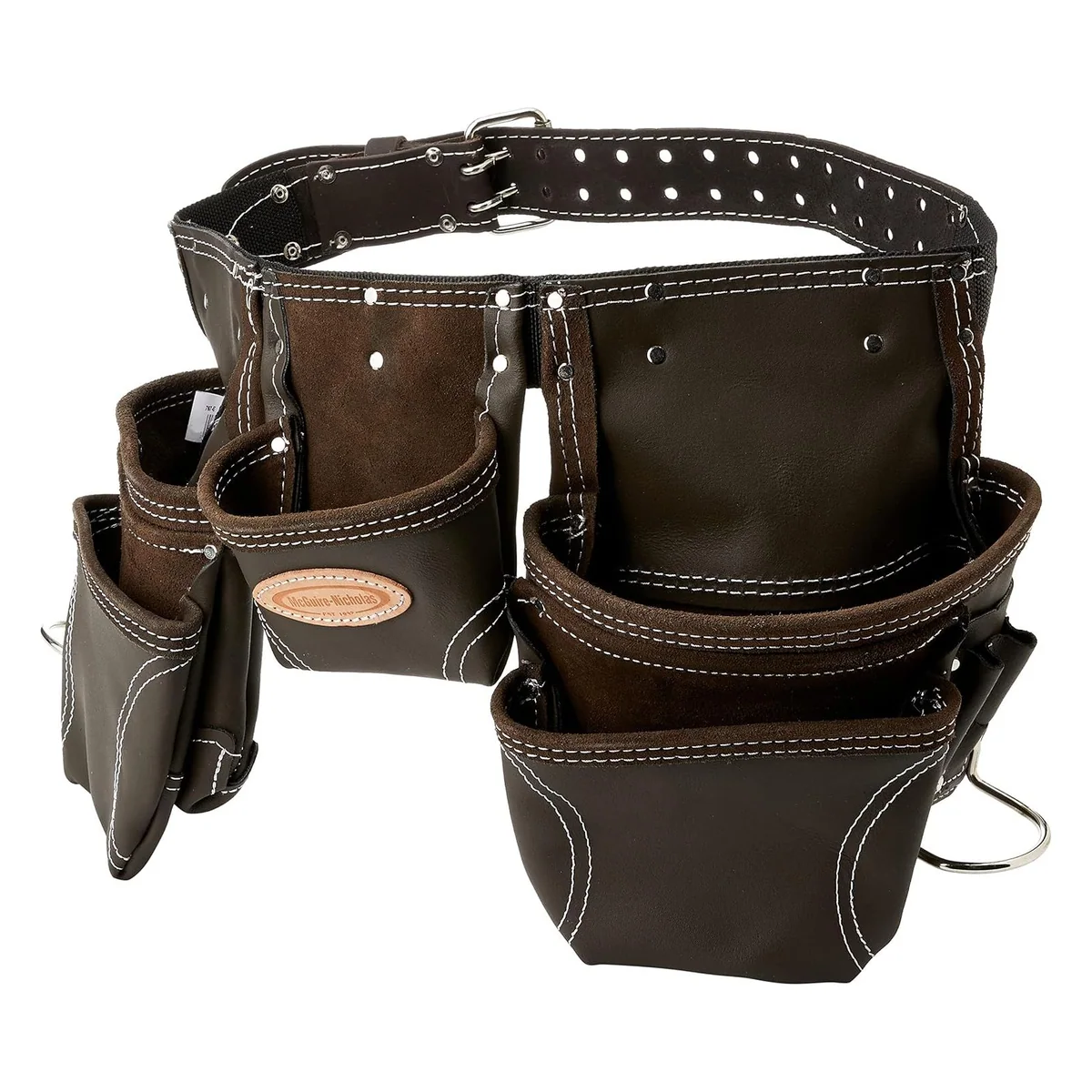
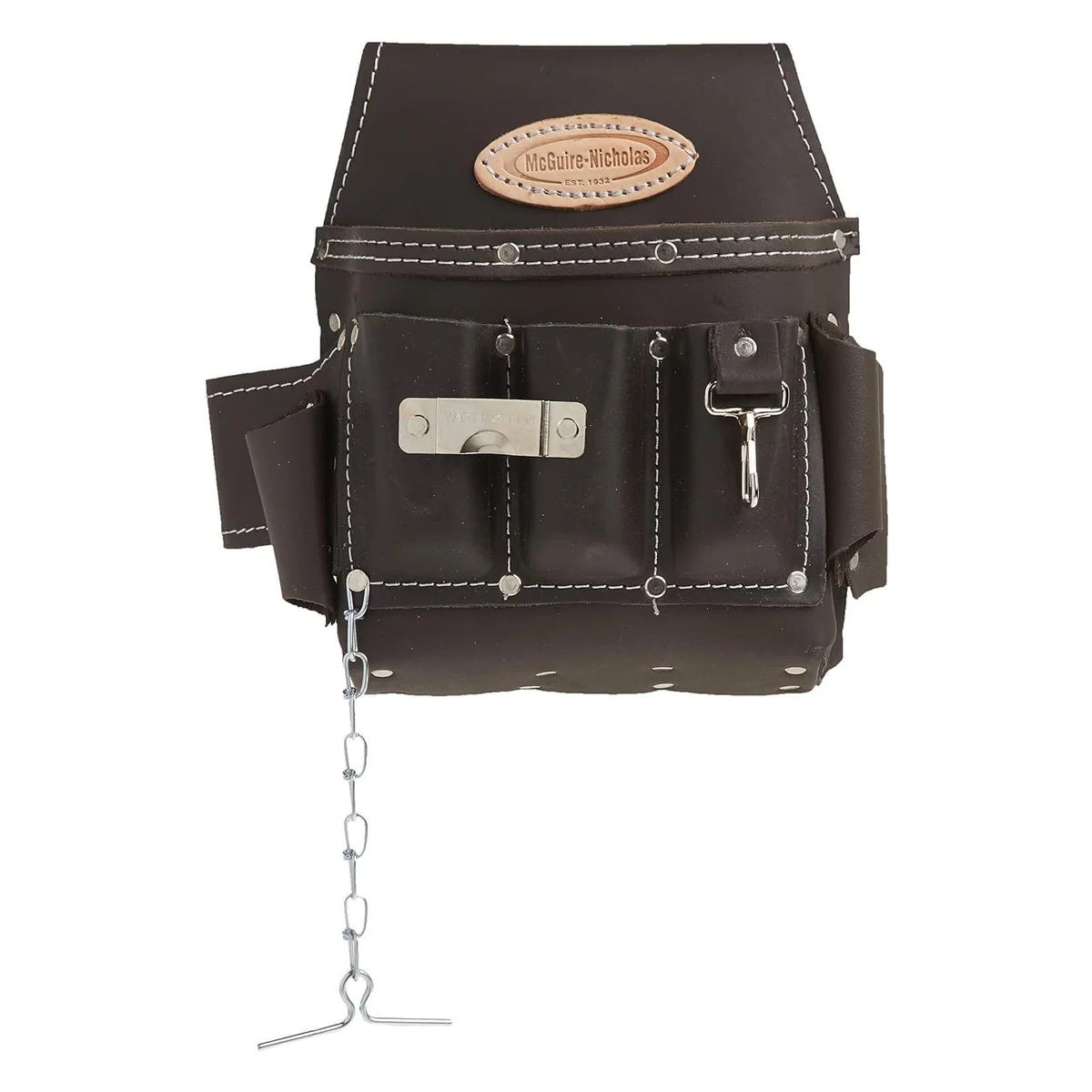
Our oil-tanned pieces include the 90605 work belt, the 526-CC electrician's pouch and belt set, the 1MN-803-E tool and fastener rig and the 767-E contractor apron. The 526-CC set has rivets at its stress points and holds up in all weather.
Supple also means soft. An oil-tanned pocket can slump when it sits empty, so it will not hold a crisp shape the way saddle leather does. For a holder that must stay open, look at saddle leather.
Saddle leather: stiff and molded
Saddle leather starts stiff and stays in shape. That matters for holders, where a tool has to drop in and come out without a fight.
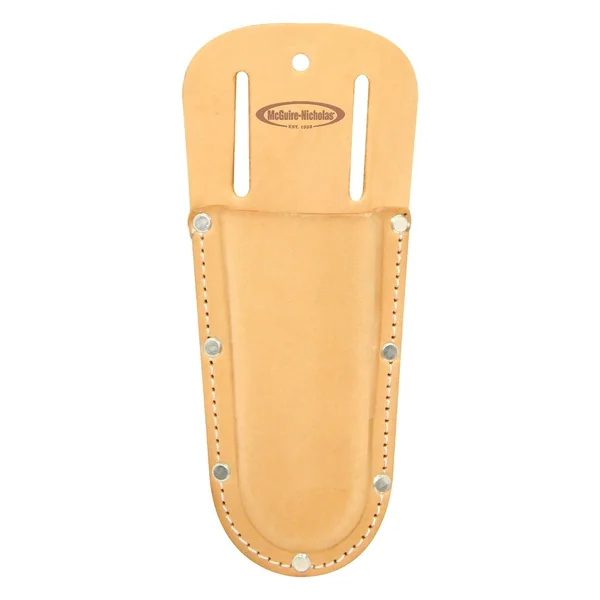
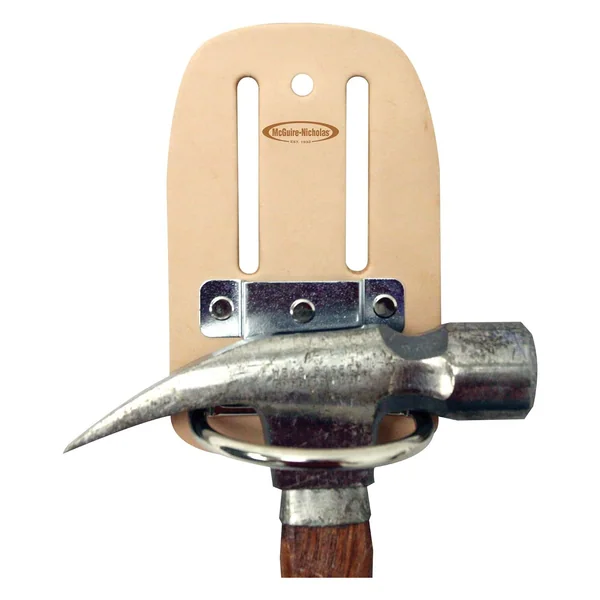
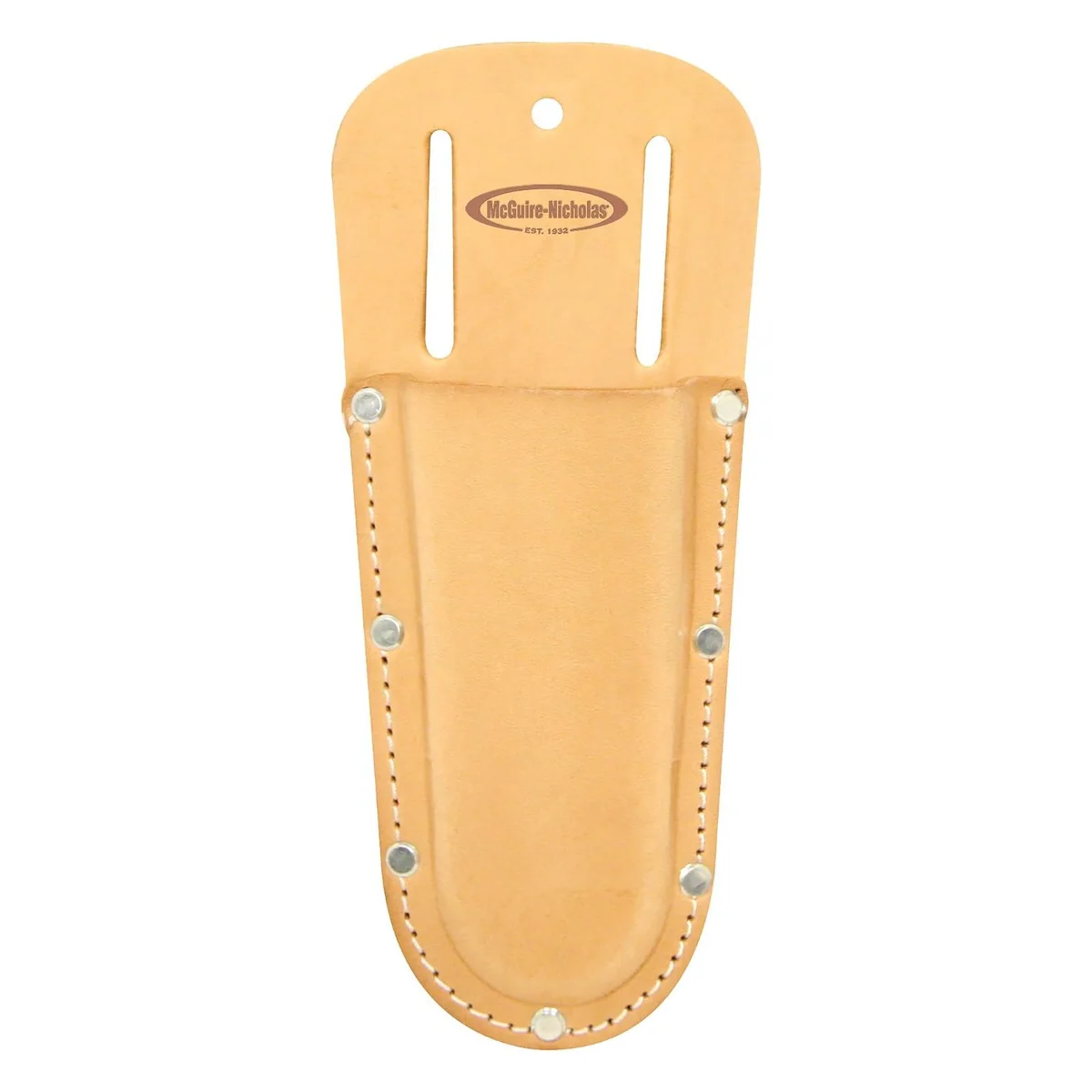
The 418 plier holder has a molded 2-1/2 x 6 in pocket that fits most pliers or lawn shears. Rivets reinforce it, and its slots take belts up to 2-3/4 in.
Our saddle leather belts, the 606V2 and the 960, run 2 in wide in tan. A stiff 2 in belt holds a light kit steady.
It is not the pick for a heavy framing load, where the 2-3/4 in 90605 belt gives your pouches more to grip. Saddle leather also takes longer to break in than oil-tanned leather.
Suede and classic leather for carpenters
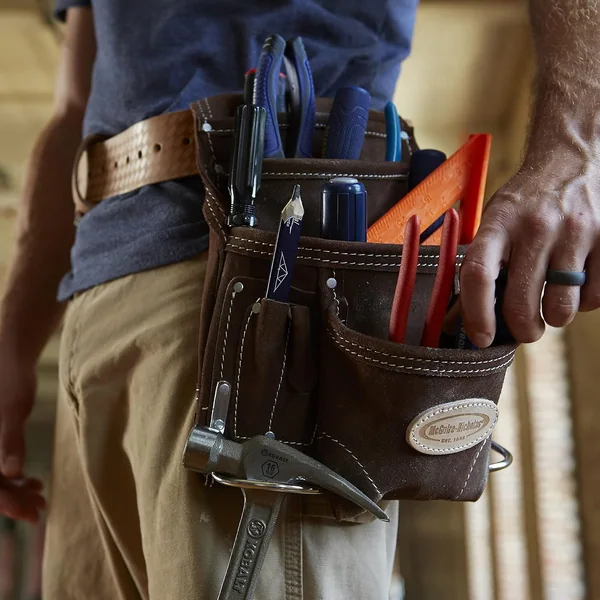
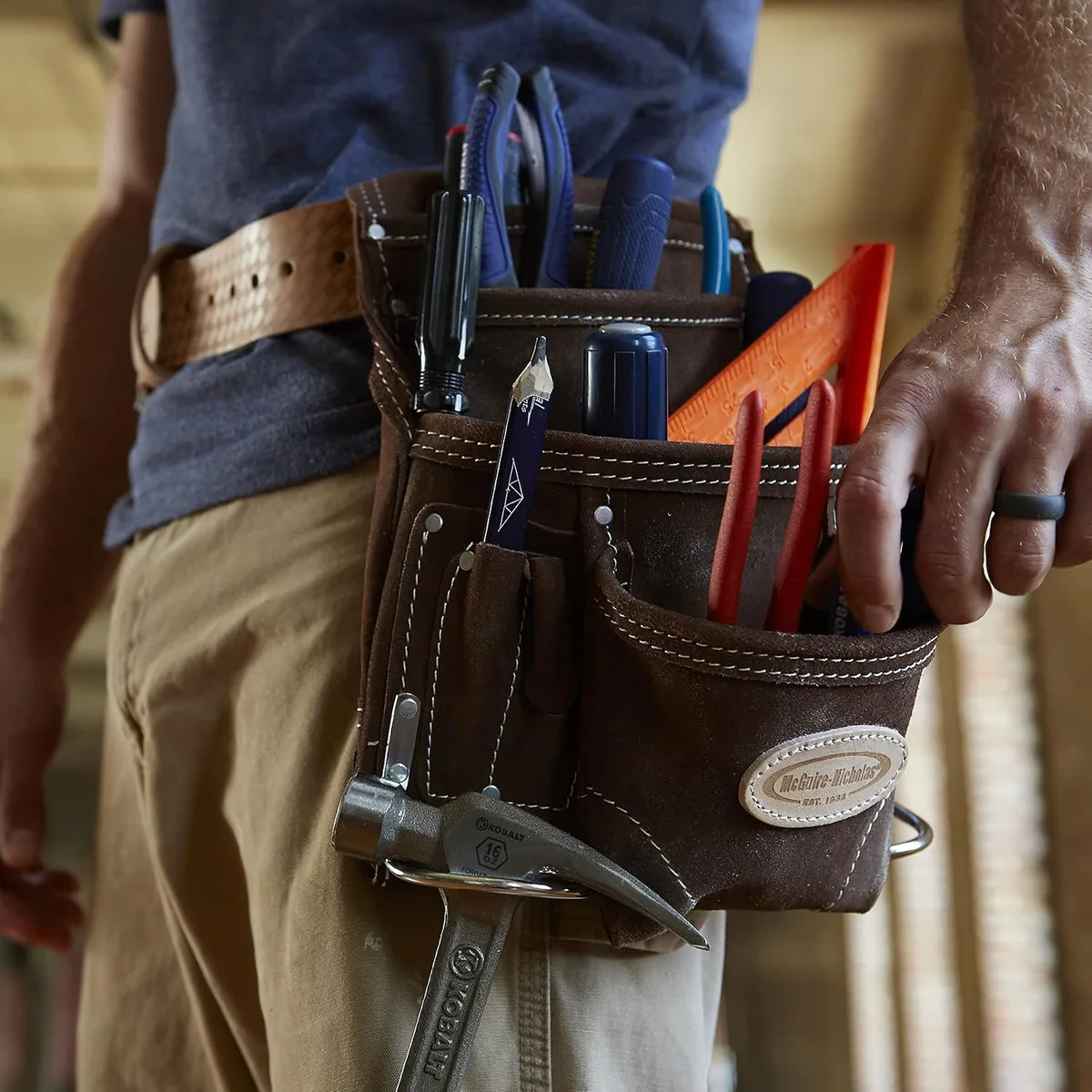
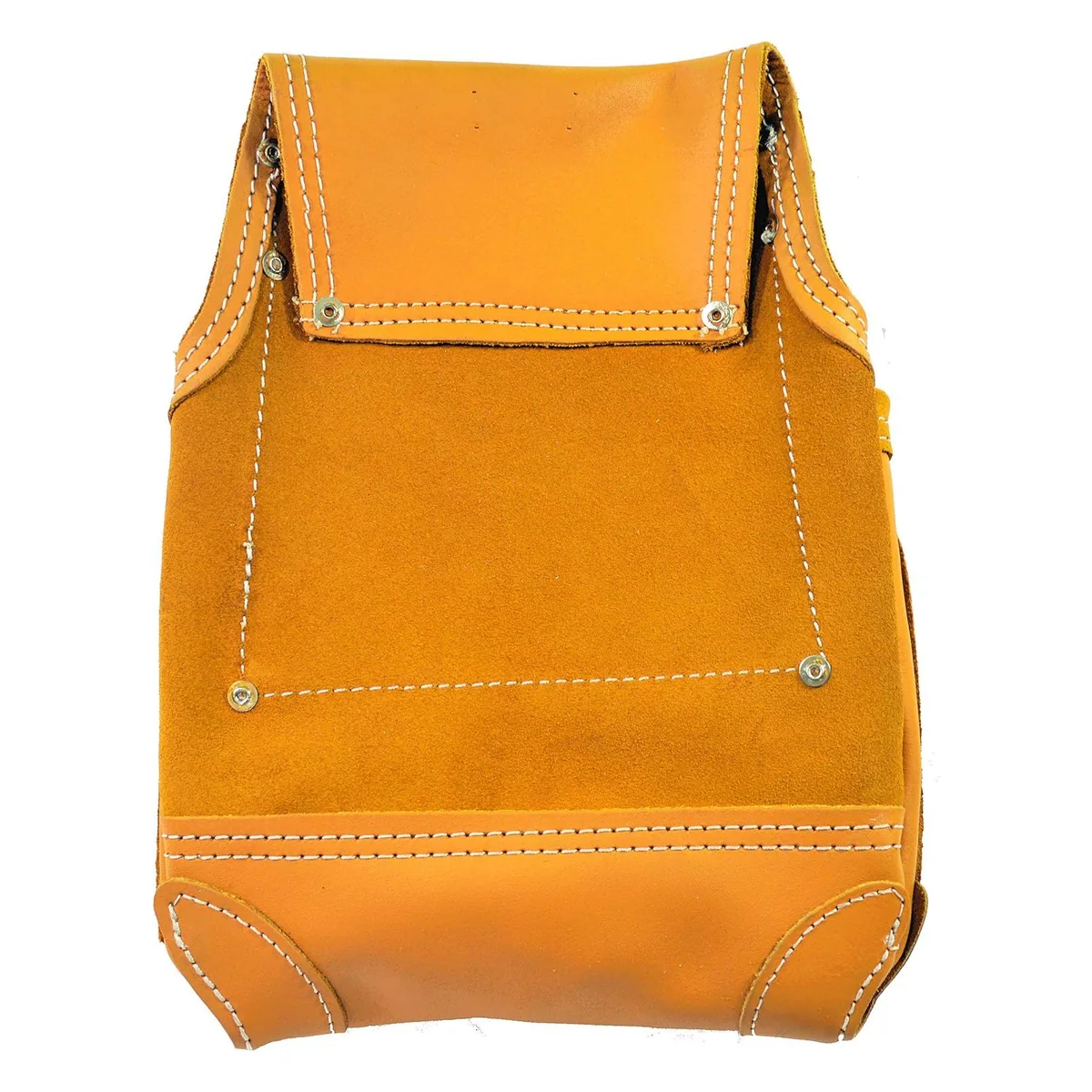
Suede weighs less and has a soft nap that grips tools. The McGuire-Nicholas 688 carpenter's nail and tool pouch uses it, with four large and six small pockets and a three-inch belt loop that fits most work belts.
Classic leather sits between suede and the heavier hides. The 429 apron has 12 pockets in classic leather, which we describe as more durable than suede. The 689-MB carpenter pouch adds 2 metal hammer loops, so it works on either hip.
Suede is not the leather for soaking-wet work. If your days run wet, oil-tanned leather is the safer pick. Keep suede for dry framing and finish carpentry, where its grip and light weight pay off.
Break-in, rivets and buckles
New leather needs a few days of wear before it feels like yours. Wear the belt on light jobs first, and load the pouches a bit more each day so the pockets open up.
Then look at the stress points. Rivets on the 90605 belt, the 526-CC set and the 418 plier holder back up the places where weight pulls hardest.
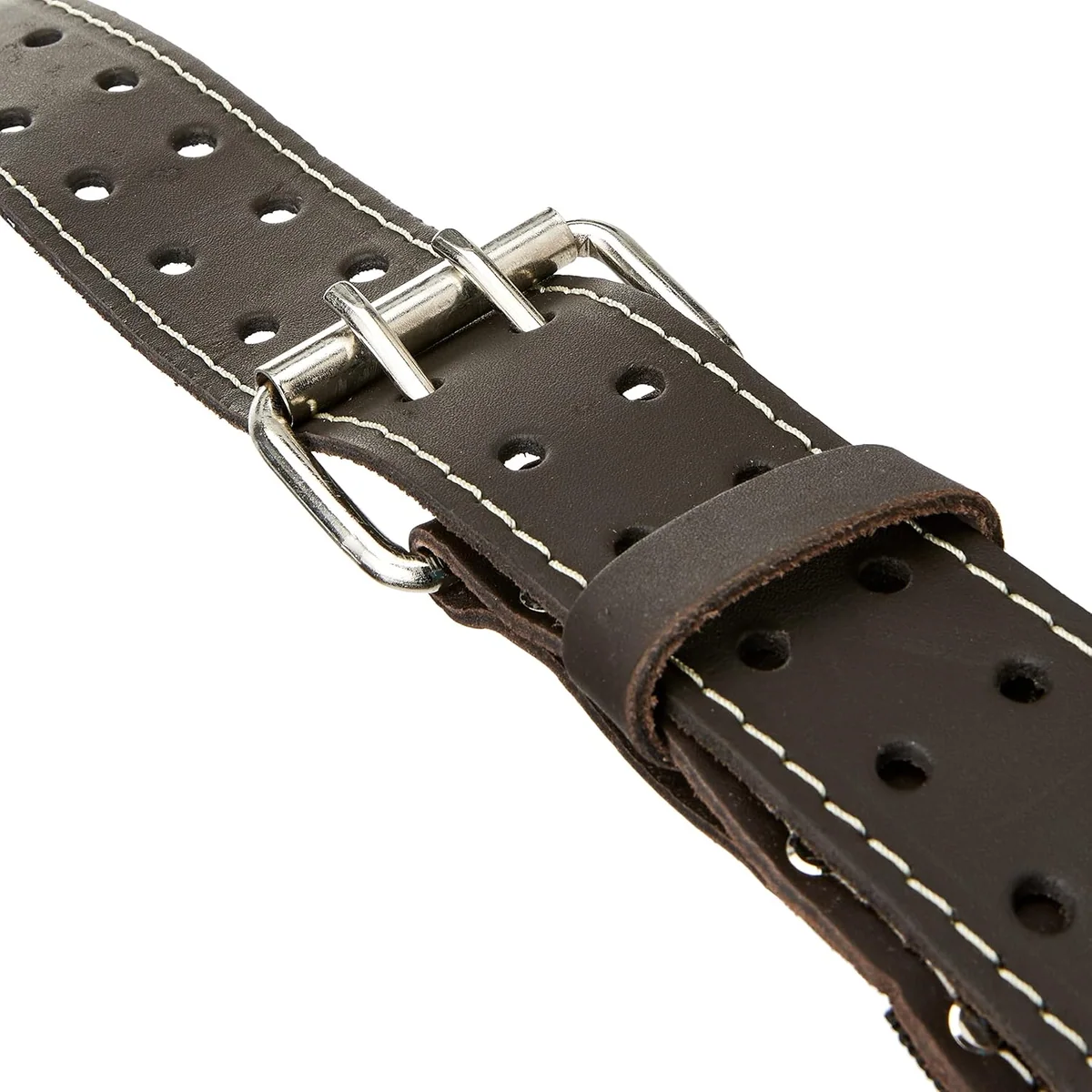
Buckles matter too. The 90605 belt uses a double prong roller buckle for heavy jobs, and the 1MN-803-E rig closes the same way.
The 960-XL basket weave belt has a single prong roller buckle with a strap keeper for a close fit. A roller turns as you pull the strap, so you can cinch the belt with one hand.
Everyday care
Brush dirt and sawdust off at the end of a shift, before grit works into the grain. A stiff brush does the job, and it takes less time than cleaning your boots. Pay extra attention to the seams and the rivets, where grit likes to hide.
If your gear gets wet, let it dry at room temperature. Keep it away from heaters, stoves and a truck dashboard in the sun. Heat pulls the moisture out too fast and can leave leather stiff and cracked.
Condition the leather once it is dry and the surface looks pale or thirsty. Work a leather conditioner in with a soft cloth, wipe off the extra and let it rest overnight before you load the pouches again.
What not to do with leather
Never soak leather gear, and never put it in the washing machine. Water and tumbling strip the oils and can warp a molded pocket for good. Skip the hair dryer too.
Leather is not for everyone. If you want gear you can wash, look at the nylon pieces in our lineup, like the 4RSP97040 framing rig with its washable padded belt.
The same goes if you work in a hot shop all summer and want padding and airflow more than a classic look. The Toolrider BL-30288 belt has gelfoam padding and sewn air channels, and it carries D-rings for suspenders.
Leather gives you a rig that ages with you. Nylon gives you one you can clean and forget.